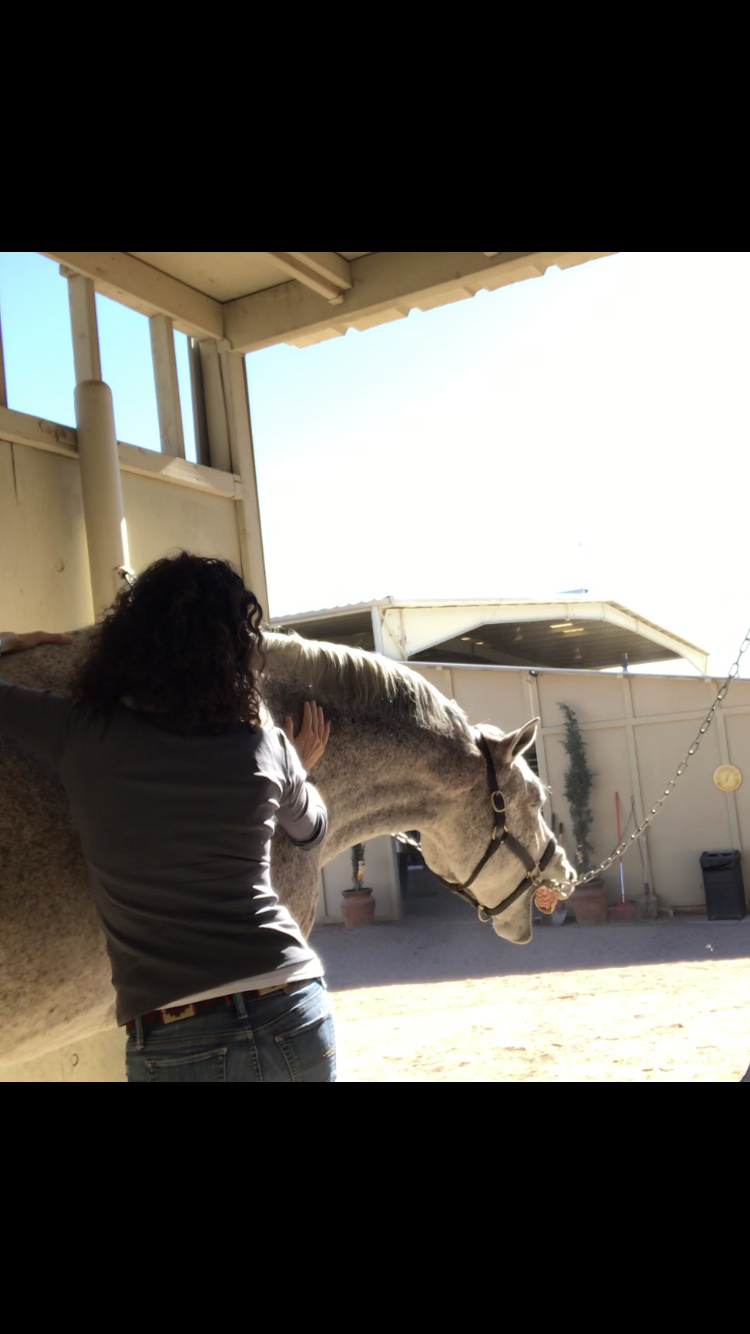
When a horse enters a rehabilitation program, whether from injury, surgery, or chronic discomfort, the focus is often placed on rest, controlled exercise, and veterinary oversight. These are all essential pieces of the puzzle. Often a client will let me know that they are going to hold off on bodywork until the horse is better or until they can figure out what is going on. Believe me I get it…. vet bills, unknown injury, more cost chasing a “ghost lameness” and then add on top additional alternative therapies, “hoping” something will help. We care deeply about our horses and only want them to be comfortable. If there is one thing I would say not to stop while your horse is in rehabilitation is Bodywork. Not just because, well obviously, it’s my occupation and I believe wholeheartedly in it, but it’s a critical element that addresses the soft tissue system, particularly the fascia.
Fascia is the connective web that surrounds and supports every muscle, organ, and structure in the horse’s body. When a horse experiences injury or compensation patterns, the fascia adapts quickly, often becoming tight, restricted, and dehydrated. This can limit range of motion, alter movement patterns, and delay healing, even when the original injury is being properly managed. This is where targeted equine bodywork becomes a powerful tool in rehabilitation.
After an injury, the horse’s body doesn’t just “pause”, it adapts. Horses will shift weight, guard certain areas, and recruit different muscle groups to compensate. Over time, these compensations can create new restrictions and imbalances that persist long after the initial injury has healed.
Bodywork addresses these patterns by releasing fascial restrictions that limit movement. It restores circulation and hydration to affected tissues, while supporting proper alignment and posture. At the same time, helping the nervous system downregulate and reset. The result is not just temporary relief but improved functional movement that supports long-term recovery.
Unlike muscle, fascia does not respond well to force. It requires precise, intentional techniques that allow the tissue to soften and reorganize. When fascia is healthy, it allows for fluid, efficient movement. When it’s restricted, it can create a pulling effect throughout the entire body, often far from the original site of injury.
For example, a horse rehabbing from a hind-end issue may continue to struggle not because the injury hasn’t healed, but because fascial tension in the thoracic sling or lumbar region is preventing proper engagement. Without addressing these connections, progress can plateau.
Supporting the whole horse, not just the injury is one of the most important shifts in equine rehab. Bodywork allows us to see and treat the horse as an interconnected system. With this, we can prevent secondary injuries caused by compensation and improve the effectiveness of veterinary and training protocols. This will also help the horse regain confidence in its movement and shorten recovery timelines in many cases.
Equine bodywork is not a replacement for veterinary care; it is a complement to it. The best outcomes occur when bodyworkers, veterinarians, trainers, and owners work together with a shared goal: restoring the horse to balanced, pain-free movement. When we address not only the injury but the patterns surrounding it, we give the horse the opportunity to truly heal, not just cope.
Rehabilitation is not just about returning a horse to work; it’s about restoring integrity and balance to the body. By including bodywork, we can support deeper, more lasting recovery and help horses move better, feel better, and perform with greater ease. After all, healing isn’t just about fixing what’s injured, it’s about freeing the whole system.


